
AN AUTHORITATIVE RESOURCE FOR EVERYTHING ABOUT CANCER
All Articles
The Cervical Cancer Paradox: Disparities and Implementing Strategies in South Asia
By Suchit Shashikumar, MBBS; Jin Mou, MD, MSc, MPH, PhD
Cervical cancer remains preventable, yet disparities in South Asia persist. Explore how HPV vaccination, screening gaps, and community-led innovations can transform outcomes in low-resource settings.
Dr. Barbara Goff on HPV-Related Cancers: How Vaccination and Screening Can Eliminate a Global Health Crisis
By Barbara A. Goff, MD
HPV-related cancers are largely preventable through vaccination and screening. Dr. Barbara Goff explores global disparities, advances in HPV testing, and strategies to eliminate cervical cancer worldwide.
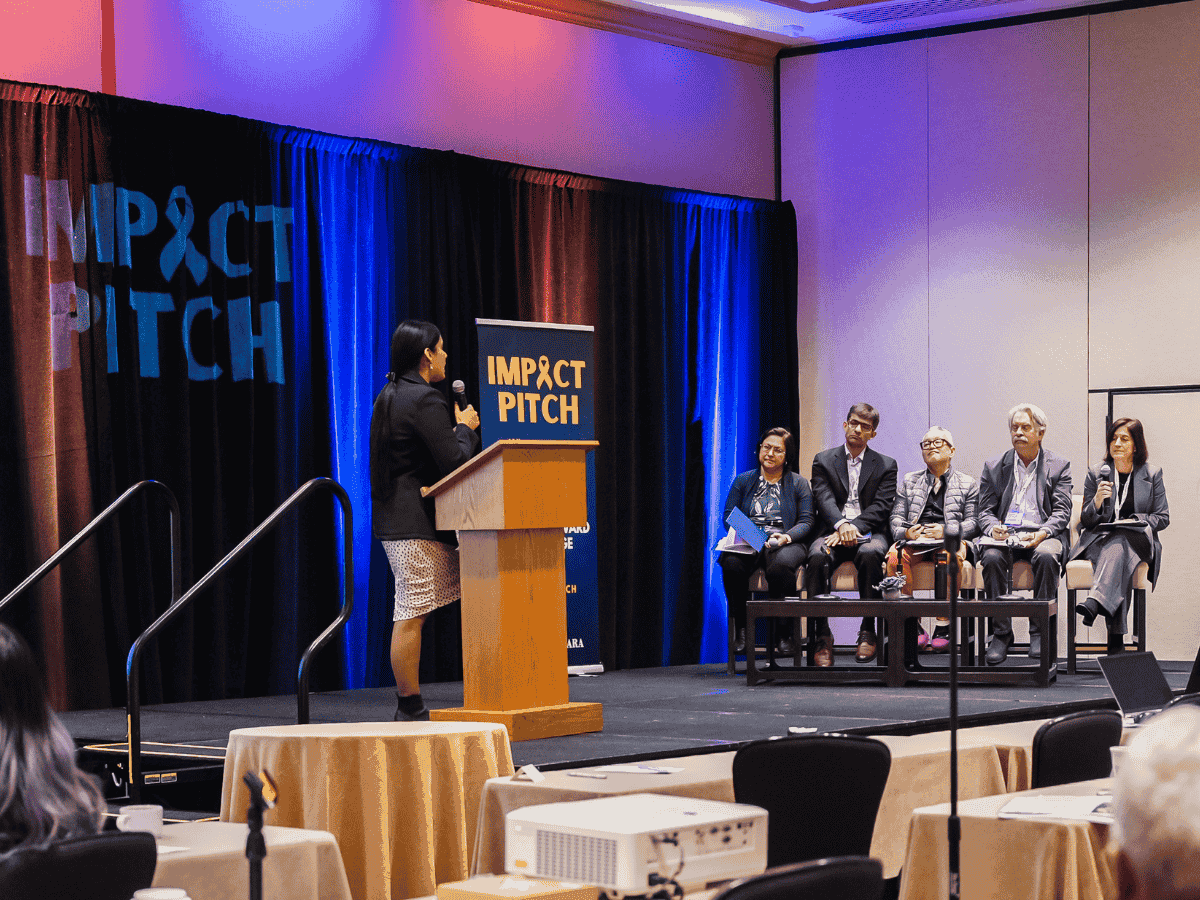
Binaytara Awards $50K to Cancer Researchers: Impact Pitch
By The Cancer News Team
Binaytara awards $50,000 in cancer research funding through its first-ever Impact Pitch, high-energy competition advancing innovative solutions for cancer health equity.
Binaytara Awards $50K to Cancer Researchers: Impact Pitch
By The Cancer News Team
Binaytara awards $50,000 in cancer research funding through its first-ever Impact Pitch, high-energy competition advancing innovative solutions for cancer health equity.
Binaytara Awards $50K to Cancer Researchers: Impact Pitch
By The Cancer News Team
Binaytara awards $50,000 in cancer research funding through its first-ever Impact Pitch, high-energy competition advancing innovative solutions for cancer health equity.
Where You Live Matters: How Neighborhood Conditions Shape Cancer Outcomes and Survival Disparities
By Chalothorn Wannaphut, MD
How neighborhood conditions shape cancer outcomes. Explore how social determinants of health influence diagnosis, treatment delays, and survival disparities—and what can be done to improve equity.
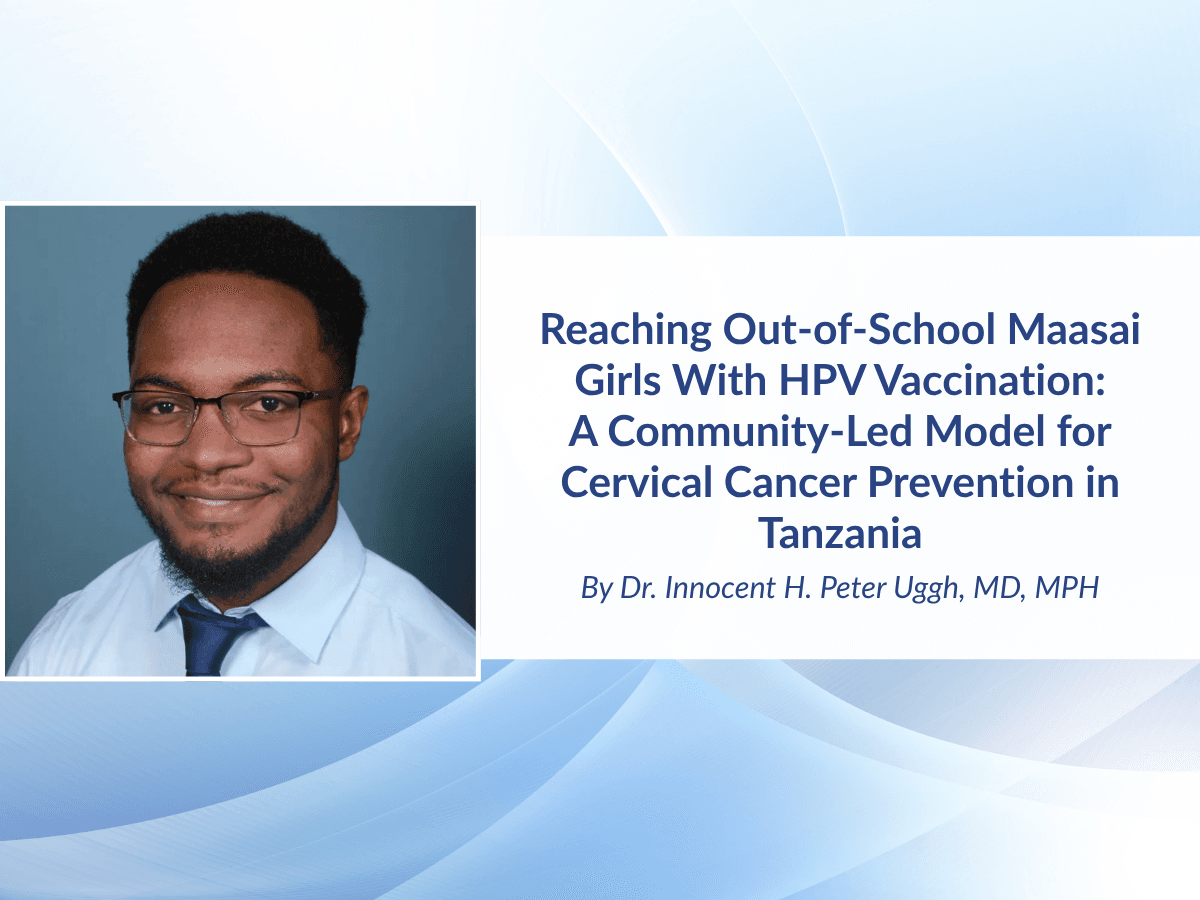
Reaching Out-of-School Maasai Girls With HPV Vaccination: Cervical Cancer Prevention in Tanzania
By Innocent H. Peter Uggh, MD, MPH
A community-led HPV vaccination model in Tanzania targets out-of-school Maasai girls, addressing structural gaps in cervical cancer prevention through culturally grounded, scalable solutions.
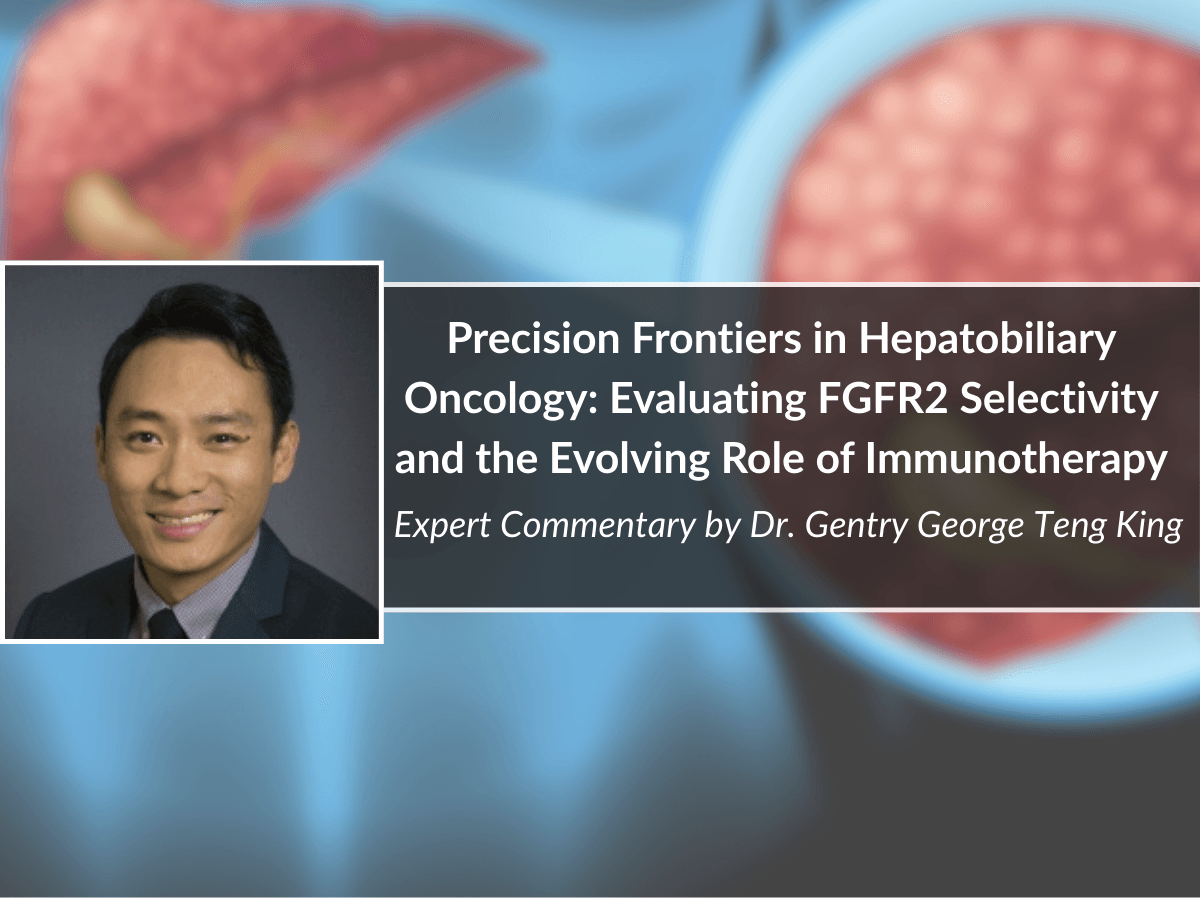
Precision Frontiers in Hepatobiliary Oncology: FGFR2 Selectivity and Immunotherapy in HCC and iCCA
By Gentry George Teng King, MD
Expert analysis of FGFR2-targeted therapy in intrahepatic cholangiocarcinoma and the evolving role of immunotherapy in hepatocellular carcinoma, from adjuvant setbacks to perioperative and first-line advances.
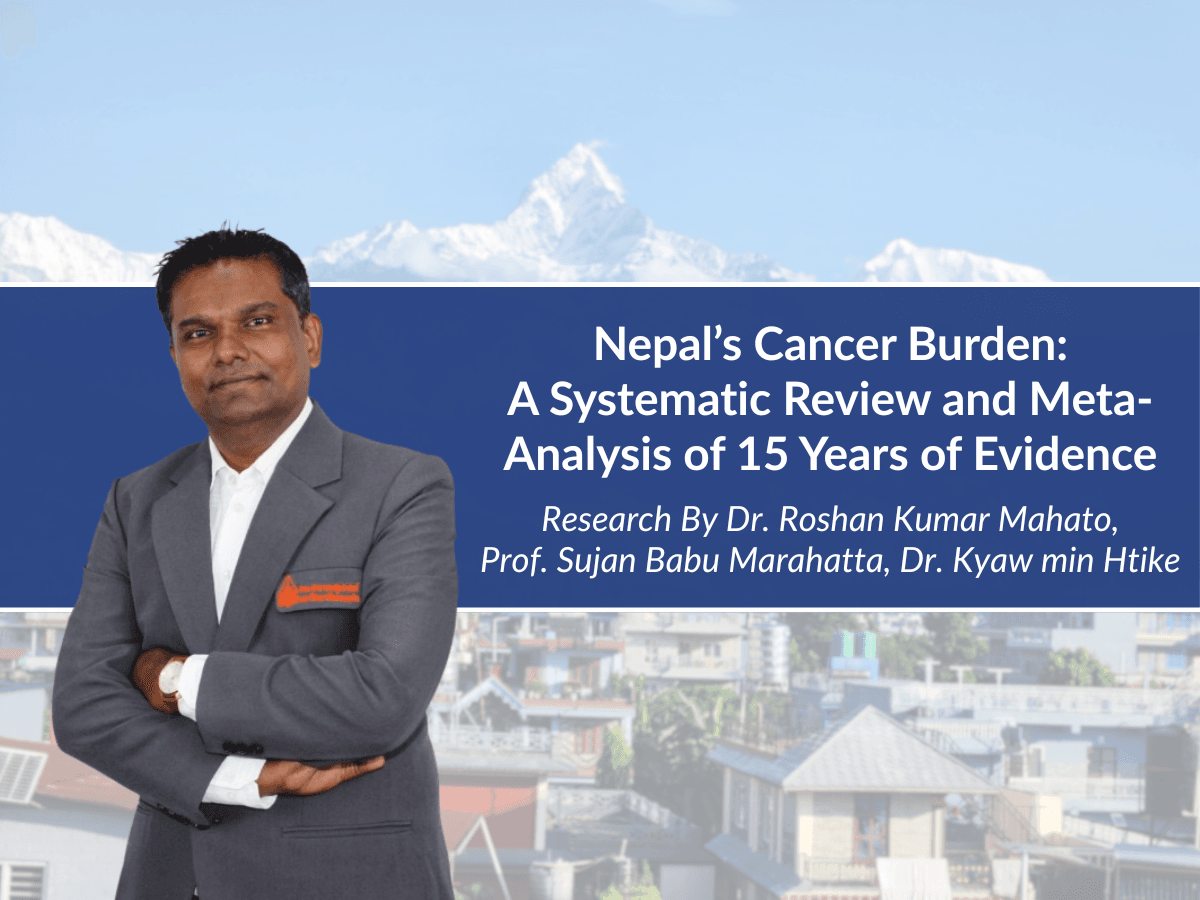
Nepal’s Cancer Burden: A Systematic Review and Meta-Analysis of 15 Years of Evidence
By Dr. Roshan Kumar Mahato; Prof. Sujan Babu Marahatta; Dr. Kyaw Min Htike, DrPH
A comprehensive systematic review reveals Nepal’s rising cancer burden, highlighting late-stage diagnoses, financial toxicity, and the urgent need for national data to guide cancer control strategies.

Bridging the Access Divide in Relapsed DLBCL: Lessons from James’s Journey
By Dr. Nandita Khera
A case-based look at relapsed diffuse large B-cell lymphoma (DLBCL) highlighting barriers to CAR-T and bispecific antibody access and how care coordination, early referral, and system redesign can improve equitable treatment delivery.
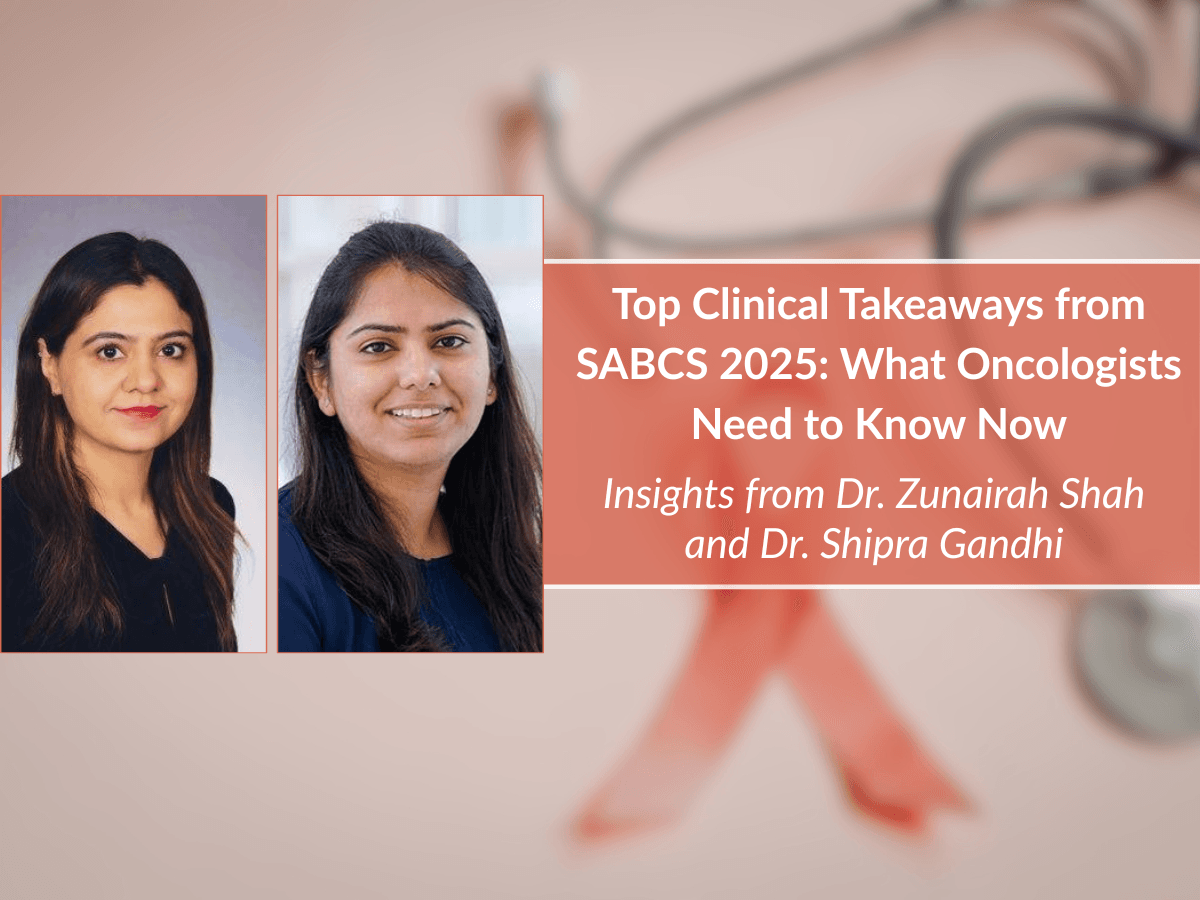
Top Clinical Takeaways from SABCS 2025: What Oncologists Need to Know Now
By Zunairah Shah, MD; Shipra Gandhi, MD, MS
Key practice-changing insights from SABCS 2025, including earlier use of antibody–drug conjugates, the rise of oral SERDs, mutation-guided endocrine therapy, and evolving treatment sequencing across breast cancer subtypes.

“They Told Me It’s Stage 4.” Does Stage 4 Cancer Always Mean the End?
By Matthew Meranda, DO
A stage 4 cancer diagnosis is serious—but not always terminal. Dr. Matthew Meranda explains what stage 4 means, how metastatic cancer is treated today, and how patients can navigate prognosis and communication with their care team.